



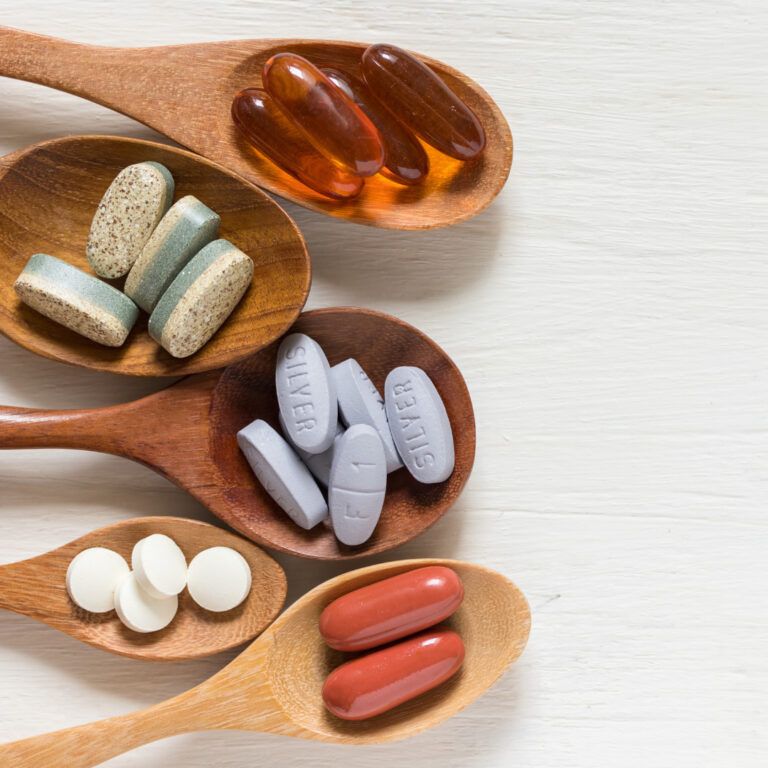

Your passport says 45. A wellness test says 37. The products on your bathroom shelf suggest that you are taking the matter seriously. The logic is simple: if ageing can be measured, perhaps it can be managed. But can supplements actually make you younger?
Some can help meet nutritional needs. A few have shown promising effects on ageing markers. Neither means they can rewind your body’s clock.
A younger number. But a younger what?
Chronological age is simple: it’s the number of years since you were born. Biological age, on the other hand, is an estimate based on how certain features of your body compare with age-related patterns. The important word here is ‘estimate‘. Some tests use blood markers or proteins. Others examine chemical marks on DNA using algorithms called epigenetic clocks. Different methods can produce different results. Unfortunately, your body does not come with one master clock. news.stanford.edu
So when someone says they have “reversed their age”, the useful question is: what actually changed? A test result, their health, or both?
The capsule and the claim
Some longevity headlines are based on real research. For example, an analysis of 777 adults aged 70 and over in the DO-HEALTH trial found some impact of omega-3 supplementation on certain biological ageing measures over three years. A separate COSMOS analysis later found small effects of a daily multivitamin–mineral supplement on certain ageing markers. pubmed.ncbi.nlm.nih.gov
Interesting? Yes. Proof that a supplement makes everyone younger? No. Changes in these markers do not yet establish extra healthy years, and findings in older adults cannot simply be applied to everyone. The science is exploring possibilities. However, the label on the bottle may sound rather more certain.
Give the supplement a job
A supplement is easier to judge when you know what it is supposed to do. Help meet a nutritional need? A clear purpose. Deliver “cellular youth”? That needs a few more questions.
What benefits should you expect? Is there evidence from people like you? Does it fit with your diet, medication and health?
More is not automatically better. Ingredients can overlap, high doses can cause harm, and some products interact with medicines. If you are preparing for surgery, share your supplement list with your medical team: certain products can affect bleeding or anaesthesia. ods.od.nih.gov
And what about fertility?
A younger biological age score does not mean younger eggs or more time to conceive. General health matters, but chronological age remains an important factor in female fertility and miscarriage risk. www.asrm.org
Supplements have specific roles here, too. Folic acid before conception helps reduce the risk of neural tube defects in a developing baby. That is a meaningful benefit. It does not reverse reproductive ageing, and a longevity routine should not delay fertility advice. www.asrm.org
FAQ
Should I test my biological age?
First ask what you would do with the result. The score may be interesting without changing your medical care.
Are natural supplements safer?
Not automatically. Safety depends on the ingredients, dose and possible interactions.
How should I choose a supplement?
Start with a specific need and discuss the expected benefit with a qualified clinician or pharmacist.
Key takeaways
- Biological age is an estimate, not an actual birthday.
- Promising research does not equal proven rejuvenation.
- Supplements work best when taken for a specific purpose.
- A younger biological age does not necessarily mean younger fertility.
Before buying another bottle, consider what you want it to improve. “Younger” is an attractive promise. A clear benefit is a better reason.